Case Study: How a Simple Newsletter Became a Seven-Figure Marketing Machine
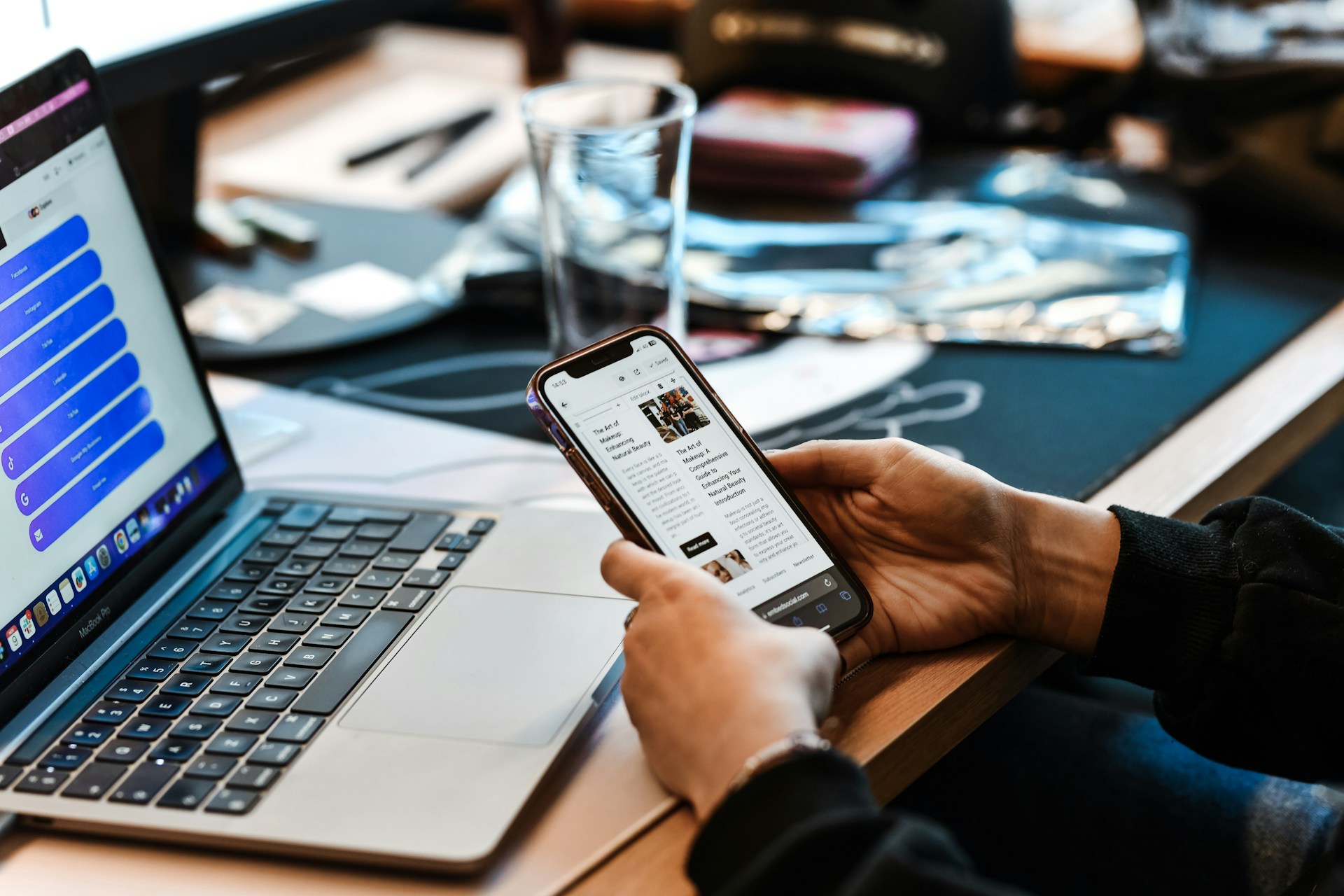
When most marketers think about Substack, they picture writers sharing opinions with a small audience.
Caroline Chambers saw something much bigger. Starting in 2020, she launched a food-focused newsletter called What To Cook When You Don’t Feel Like Cooking.
Fast forward a few years, and she has built an audience of more than 568,000 subscribers and a seven-figure business powered by subscriptions, affiliate income, brand partnerships, and product sales.
Her secret wasn’t complicated. Instead of treating Substack as a place to post content, she treated it as the center of her entire business. Instagram videos drove people into the newsletter. The newsletter built trust. And that trust turned into revenue.
What’s particularly interesting for online marketers is how she uses multiple platforms together. When someone comments on one of her Instagram posts, automated tools can send recipes directly through DMs, creating a smooth path from social media engagement to newsletter subscription. She also publishes video content on YouTube while intentionally keeping some of the most valuable content inside Substack, giving viewers a reason to subscribe.
The lesson isn’t about recipes. It’s about ownership. Social platforms are rented land. Algorithms change. Reach disappears. Substack gives creators a direct relationship with their audience, allowing them to build a business that doesn’t depend entirely on someone else’s platform.
The takeaway for marketers is simple: Don’t think of Substack as a newsletter. Think of it as the hub of a marketing ecosystem. Use social media to attract attention, use Substack to deepen the relationship, and use that relationship to sell products, services, memberships, coaching, courses, or affiliate offers.
The marketers seeing the biggest success aren’t using Substack as another content channel. They’re using it as the place where casual followers become loyal customers.
And in an age when organic reach can disappear overnight, that’s a very valuable asset indeed.
A few things worth a look
If this article helped you, here are a few of my own projects and some tools from Nick James that I recommend. I only point to things I actually stand behind.
From me, Jack Hatfield
A membership for people who want practical help using AI and simple automations in their business. The first month is a $1 trial.
A short book of simple, grounded ideas about doing the work in front of you. Everything you need to start was already in you.
The story of my daughter Jonna Lil, born premature, and what that season taught our family. A father's journey with his PreeMiracle.
From Nick James
Nick's program on how to license an existing product and offer it as your own, instead of building everything from scratch.
Training on how to write a sales letter, built around Nick's process for putting an offer into one clear letter.
Affiliate disclosure: Some of the links above are affiliate links, including Amazon Associates links. If you buy through them, I may earn a commission, at no extra cost to you. Amazon links are marked "(Amazon)."